Reflections on our visit to the Holy Land

A talk given at St Giles on Sunday 12th March


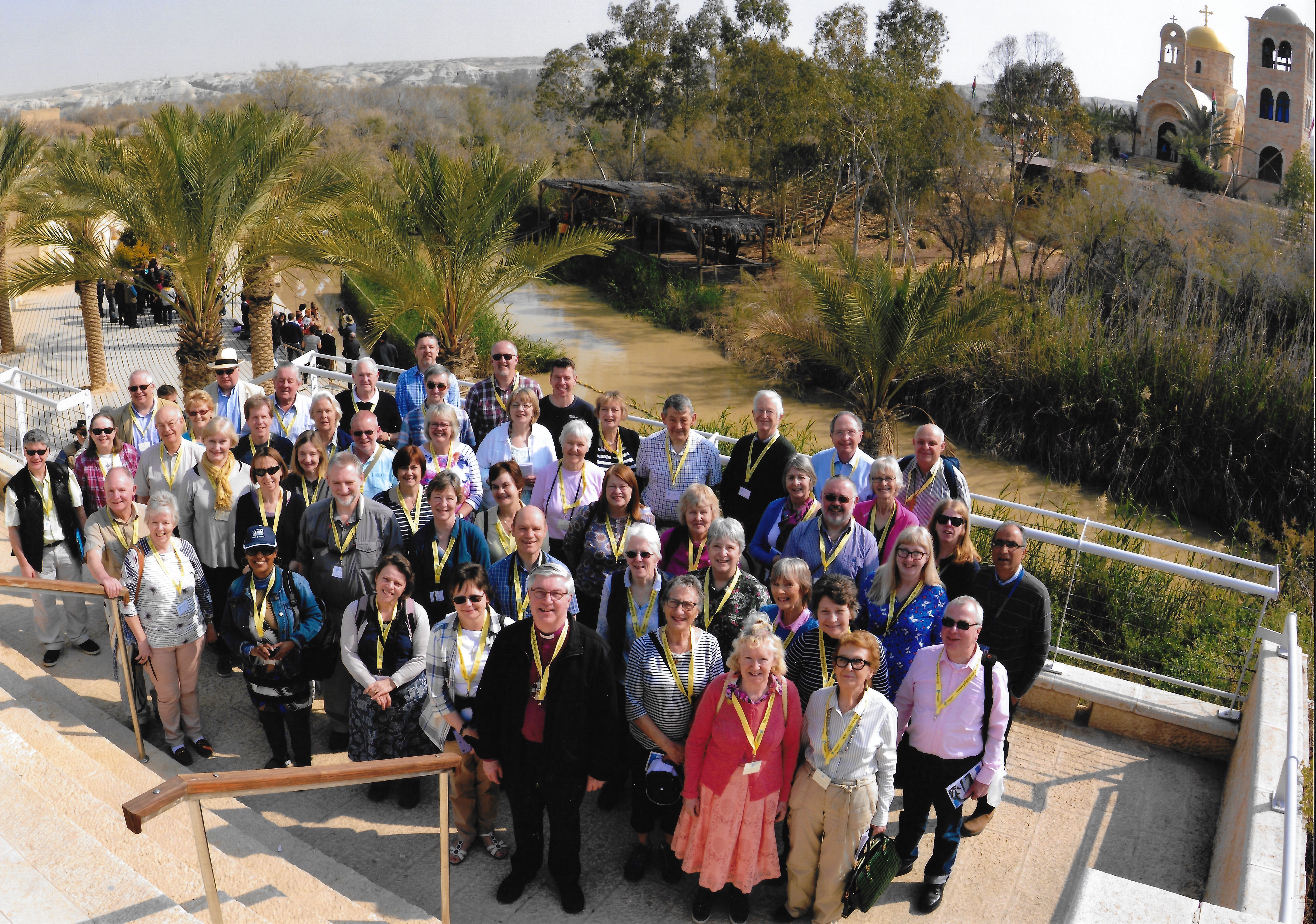
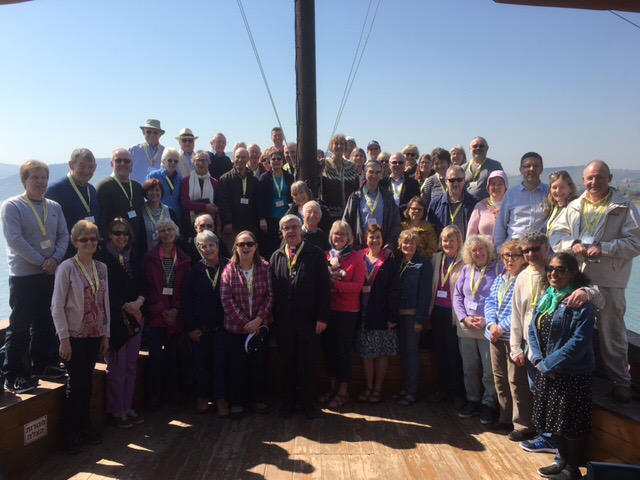
Pearl, Fr Darren and I were all fortunate to have been picked in a draw to go on Bishop Graham’s pilgrimage to the Holy Land this year. Just over 50 of us from around the Diocese had been chosen at random as the pilgrimage was over-subscribed. It was a wonderful opportunity to meet clergy and parishioners from around the Diocese whilst visiting the most holy places in the world.

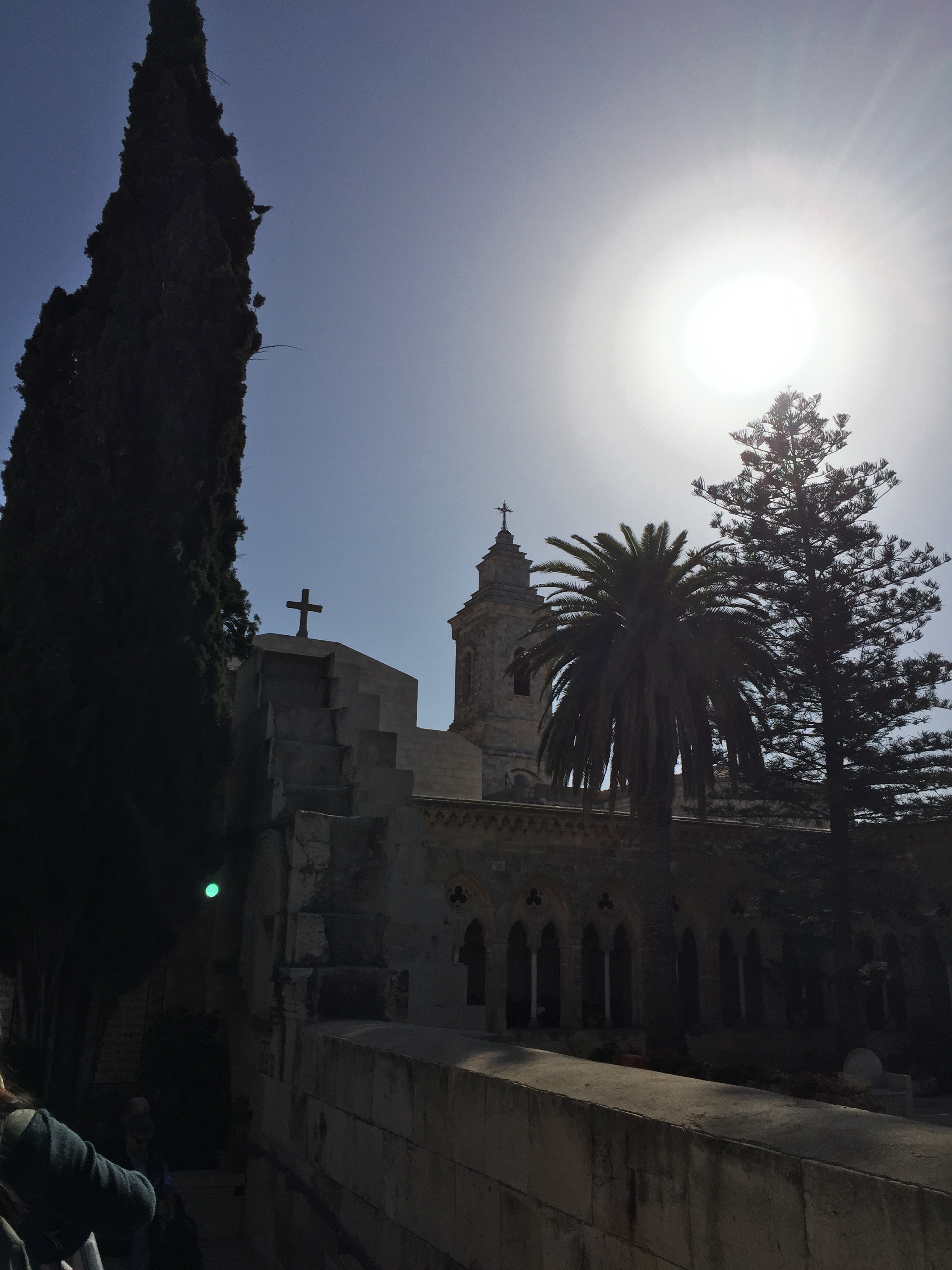
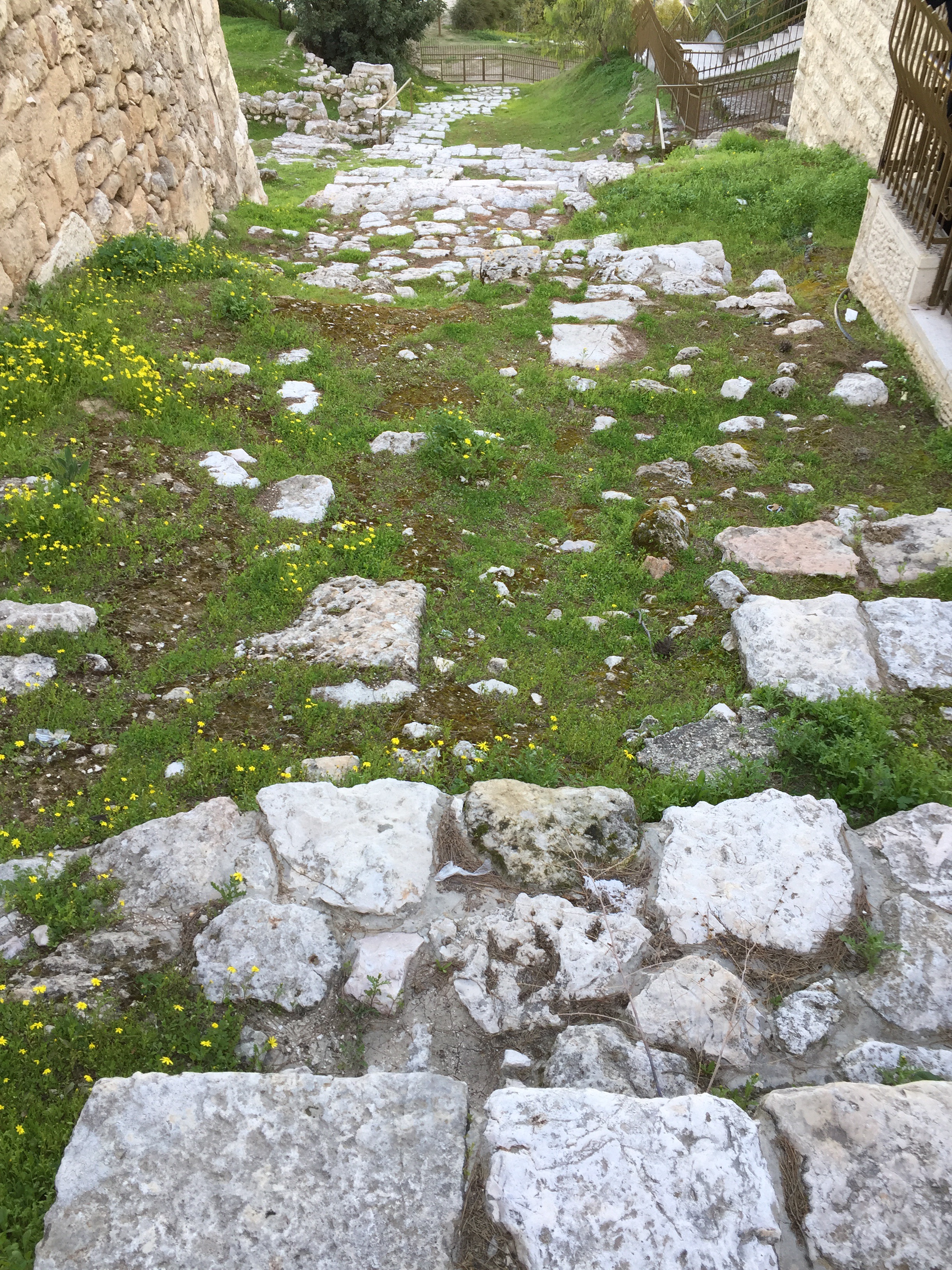
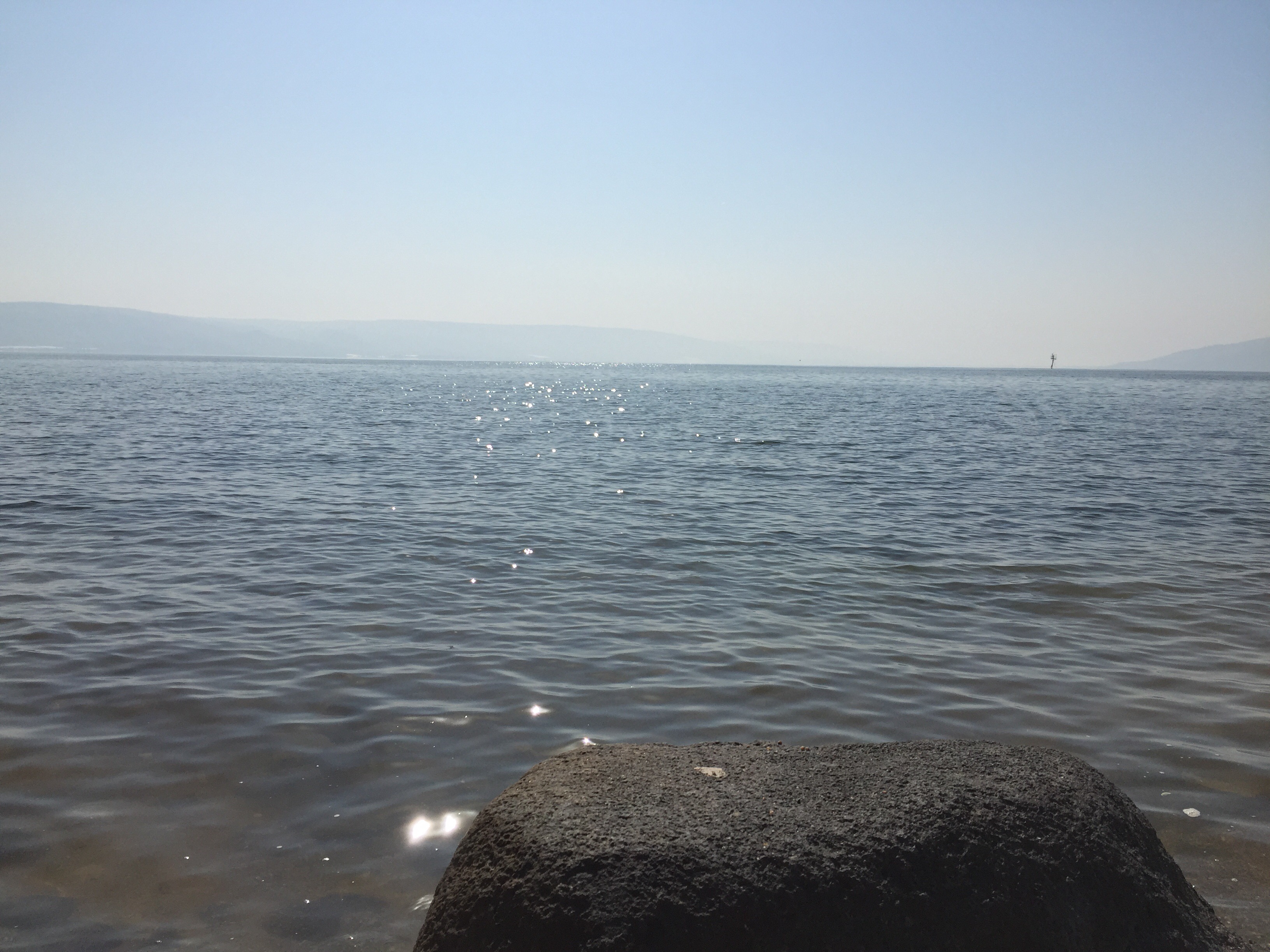
We walked in Jesus’ footsteps through the Holy Land. We saw the remains of the house of Mary in Nazareth where she was told by the angel Gabriel that she would give birth to the Son of God; we knelt at the very place where Jesus was born in Bethlehem; we saw Joseph’s workshop in Nazareth; we renewed our Baptismal vows at the very spot that Jesus was baptised by John; we visited Cana in Galilee, where Jesus performed his first miracle; we travelled around and on the Sea of Galilee where so many of the defining parts of Jesus’ ministry took place, walking on the same floor as he would have done when he taught in the Synagogue next to Peter’s house in Capernaum; we went to the place where the Sermon on the Mount was preached, as well as where he fed the five thousand from five loaves and two fish and we sailed out onto the Sea of Galilee as the fishermen in the gospels did. We went in minibuses up the steep and winding road to the top of Mount Tabor where the Transfiguration took place; we followed the path of Jesus through Jerusalem down the Mount of Olives, suffering in the Garden of Gethsemane, visited the place where Peter denied Jesus three times before the cock crowed twice. We walked the route that he was forced to carry his cross and stood at the places at which he was crucified and buried. We also walked where the risen Christ cooked fish for the disciples on the shore of the Sea of Galilee.

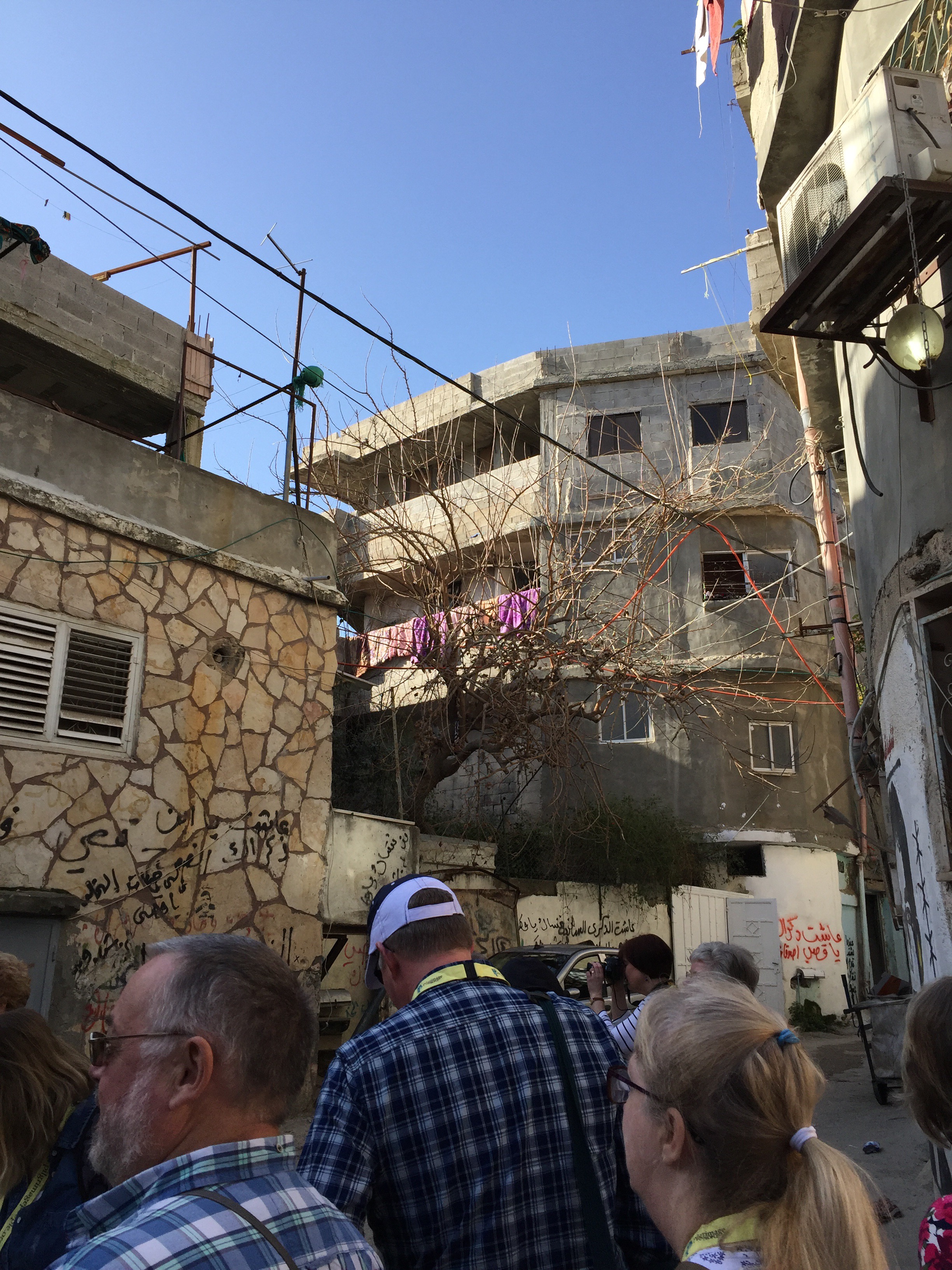
We also learned from a speaker from the Holy Land Trust, students at Bethlehem University and residents of the Dheisheh refugee camp what life is really like in modern Israel and Palestine; Palestinians are unable to stay in their own properties when the Israeli’s move in, destroying and occupying whole towns. Palestinians live in an occupied territory, having to comply with the Israeli Army presence. The injustice is not about religion, especially in Palestine where Muslims and Christians live happily side by side and the students in particular did not know which of their friends were Christian and which were Muslim. Jews are not allowed to cross the Israeli-guarded border into Palestine a restriction imposed by the Israeli’s. Israel is a mixture of Christians, Jews and Muslims, but with Christians forming only just over 1% of the population; even here, religion is not a barrier between people. The Palestinians want justice rather than simply peace, something that they cannot see happening in the near future.

But, of course, these two descriptions are of the same places. Reflecting on it, there is probably a good reason why this tension does not destroy the visit to the sites where Jesus lived, worked and died. After Jesus’ birth the holy family became refugees in Egypt to avoid the slaughter of children under two years old and stayed away until it was clear that Herod’s son did not continue the same vendetta. The land that Jesus grew up in was occupied by the Romans, so he also would have had to obey soldiers from another country as he went about his daily life; this becomes very clear in the descriptions of his accusation and crucifixion, when he was crucified by that same occupying force. Seeing the places from the bible with similar tensions adds to, rather than takes away from the experience. It makes it real; it makes it understandable; it makes it relevant.

So what did I learn? Overall, it’s not a pretty place. If you want old beautiful churches full of religious art, go to Rome. There were some wonderful churches and locations (my favourites being the Garden of Gethsemane and the Garden Tomb), but most of the sites in the Holy Land are either quite recent, or are renovations of the 12th century buildings erected by the Crusaders. If you want to experience the places that Jesus visited, you must go to the Holy Land. The fact that some of the locations are, well, “probably” accurate and the fact that we saw two places that we are told was where the annunciation took place, two sites of the crucifixion and two tombs doesn’t really matter, as you will have been close enough to somewhere that Jesus had lived and walked. You also need to ignore some of the more touristy sides to the locations, such as Temptation Gallery in Jericho, at the foot of the mountain where Jesus spent forty days and nights and was tempted by the devil. I learn’t more about the tension between Palestine and Israel than I would have done without visiting and talking to the people there. Finally, I discovered much more about where events in Jesus’ life happened; for example, in the bible and hymns you will hear about Jesus on the Sea of Galilee, the Sea of Tiberias, the Syrian Sea and Lake Gennesaret. Now I know that these are all the same place! So when I read the bible from now on, I don’t just want to know what happened, but where it happened – I will always read with a map handy. Jesus behaved differently in different locations. For example, on the Nazareth side the people he healed were told to tell no one; on the Syrian side they were told to go and give thanks publicly. I can tell you where the events in today’s* Gospel took place: Jerusalem. I can also tell you that Nicodemus, whom Jesus meets for the first time as a Pharisee in this gospel, together with Joseph of Arimathaea, prepared the body of Jesus for burial, a task that was usually women’s work. What a journey Nicodemus went on between the two events!

We couldn’t have visited so many sites and learnt so much without a wonderful, knowledgeable and entertaining guide together with a fantastic driver; I’ll leave you with one of our guide’s jokes. A priest and a coach driver die and arrive at the gates of heaven together. St Peter asks them both to wait whilst some checks and balances are being taken. The priest then notices a red carpet being laid out for the driver and questions Peter why he is being given entry to heaven first and receives the following explanation: “When you preached your sermons, your congregation slept; when this man drove his coach, his passengers prayed!”


* Second Sunday of Lent, Year A: John 3: 1-17
Holy Land Day 7 – Sunday

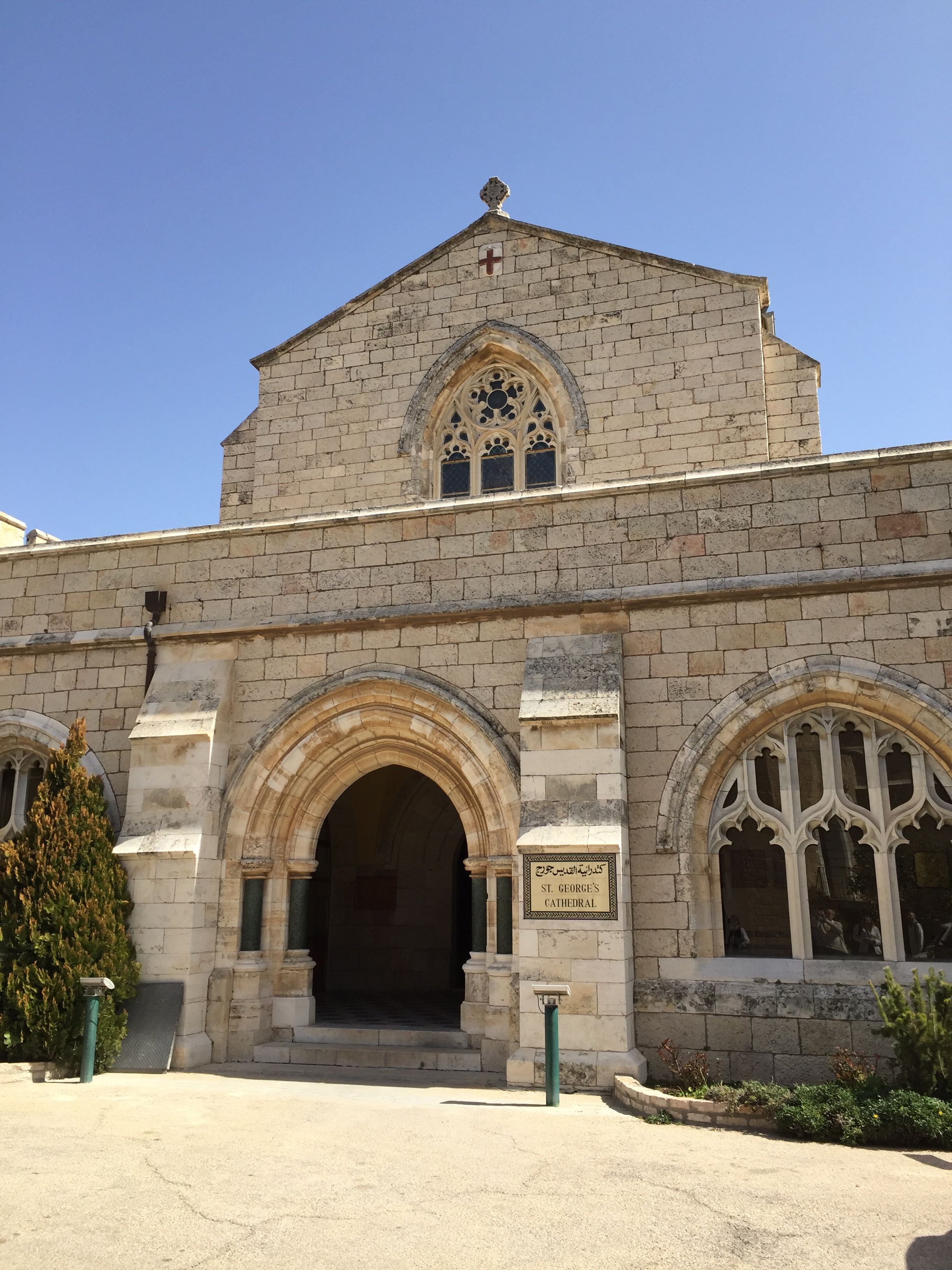
We left our hotel in Bethlehem to travel back to Jerusalem again in order to attend the 09:30 Eucharist at the Palestinian Anglican Cathedral of St George. This is the service for local Palestinian Christians and is said in a mixture of Arabic and English with some key parts (such as the creed and the Lord’s Prayer) said simultaneously in both languages. After this we had a chance to talk to the Archbishop about the work of the Diocese of Jerusalem.


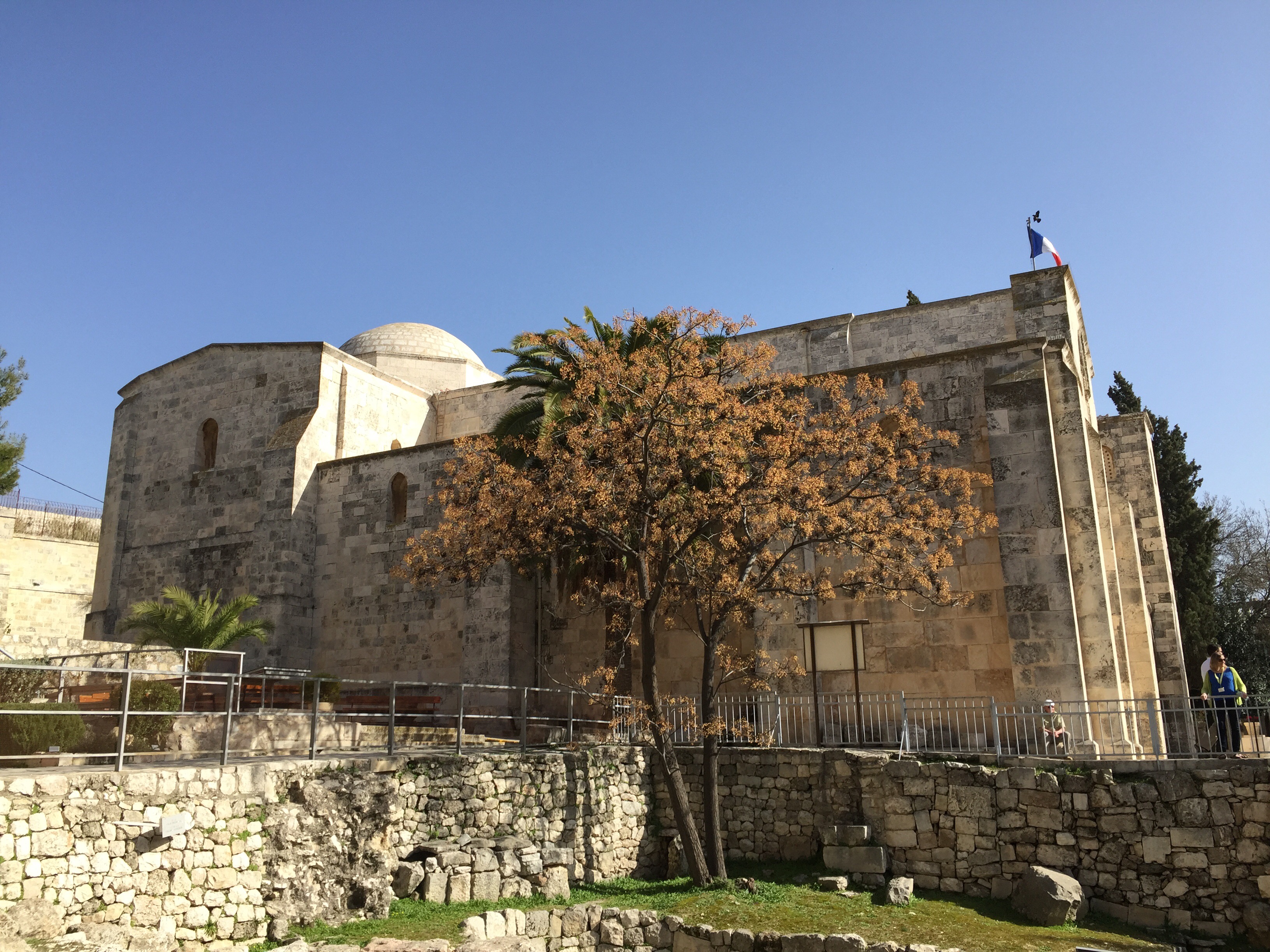
After lunch, we entered the old city by St Stephen’s Gate (also known as the Lion’s Gate), to St Anne’s Church (the birthplace of the Virgin Mary, which has the best acoustics of any church in Jerusalem).


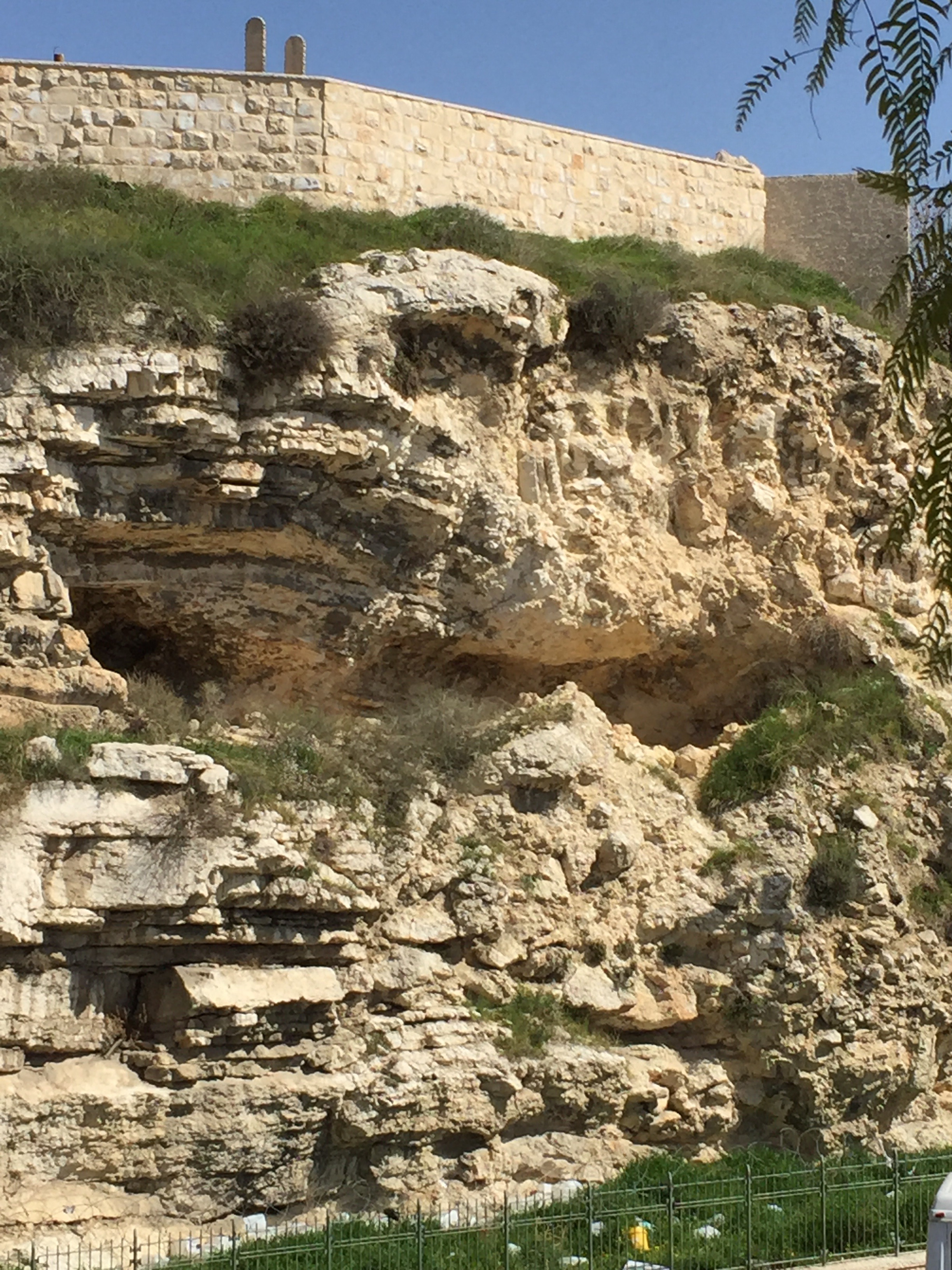
From there we followed the Stations of the Cross, culminating at the Church of the Holy Sepulchre, which is a massive Basilica built over the traditional sites of Golgotha and the tomb provided by Joseph of Arimathea. As with many of the churches on the holy sites, this had been destroyed and rebuilt many times over the years, so the current building dates from an agreement as late as 1959 about the repair and renovation of the 12th century Crusader building following a fire in 1808 and an earthquake in 1927. The restoration is still continuing today. Claims for possession still come from six different Christian denominations.  I quote from A Pilgrim’s Guide to The Holy Land by Raymond Goodburn: “To the contemporary pilgrim it is a place which can inspire and infuriate, delight and disappoint in equal measure. We look for harmony, tolerance and sanctity and yet too often find discord, division and frailty. A church which points to glory all too often exposes human weakness. And yet, in spite of all the contradictions, it draws people in droves. Though seen by many as the personification of the divisions within Christianity, yet nonetheless it remains the holiest of holy sites and central to the beliefs of every Christian.” Events inside during our visit lived up to this description!


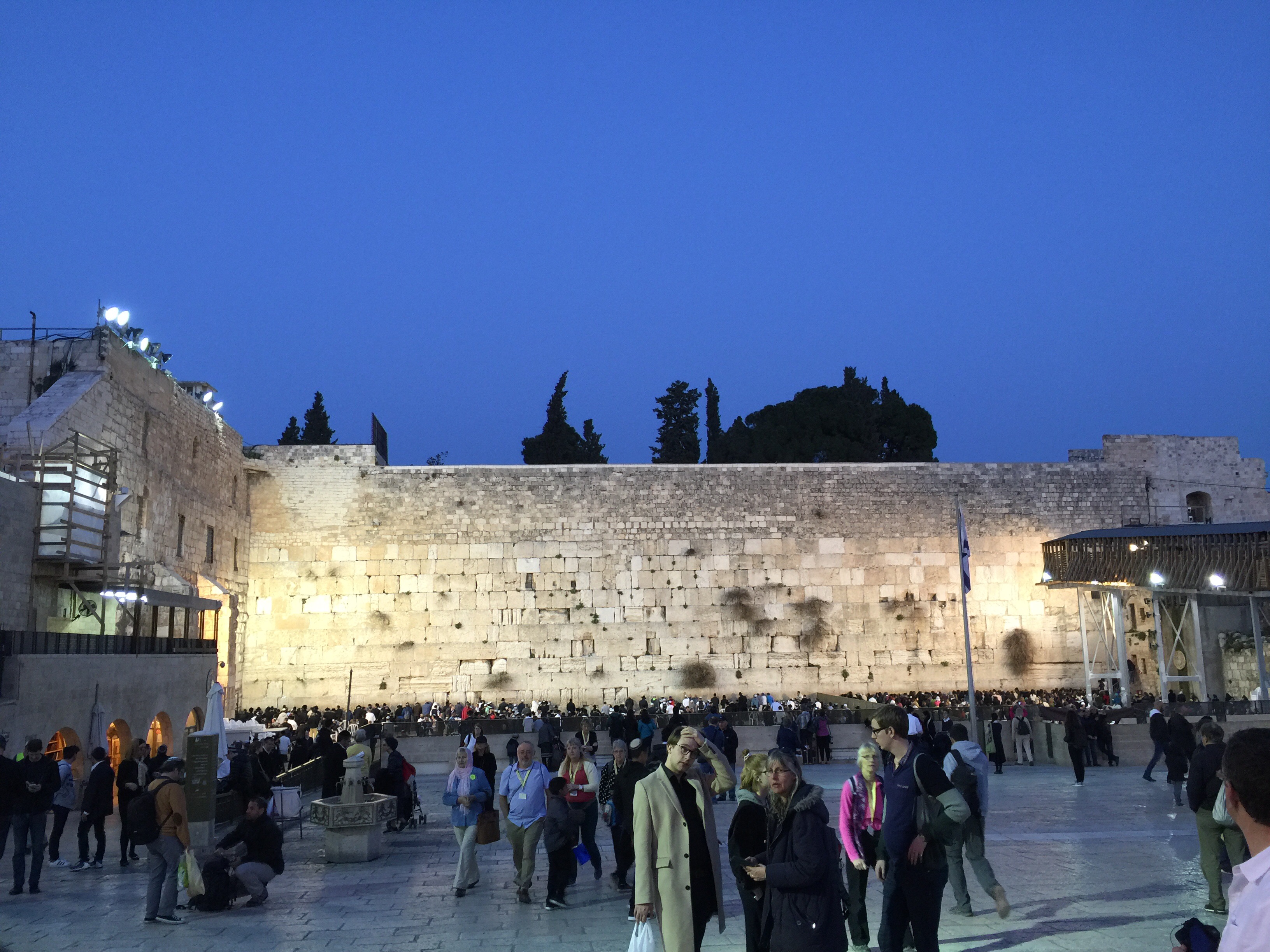
Our final visit was to the Western (or Wailing) Wall, to experience one of the other iconic religious sites of this multi-faith, cosmopolitan city.


A meal in a Bethlehem Bedouin restaurant completed our pilgrimage. Tomorrow we set off from the hotel to Tel Aviv, from where we fly to Luton, however we have a little spare time in the morning to spend our remaining shekels in Bethlehem.

Holy Land Day 6 – Saturday

Yesterday we were in Bethlehem which we needed a coach to ferry us round (what happened to “O Little Town of Bethlehem”?); today we are on a walking tour of Jerusalem. Or so I thought; the coach did need to ferry us between some of the main areas of our visit, but there was still quite a lot of walking.

We started by walking down the Mount of Olives, stopping near the top at the Church of the Our Father, a 18th century church standing where Queen Helena had a church built in the 4th century. Even though the other gospels place the teaching of the Lord’s Prayer in the Galilean ministry, Luke associates it with Jesus’ time in and around Jerusalem. We said the Lord’s Prayer in the spot that tradition says it was taught to the disciples.


Next we stopped at the Church of Dominus Flevit, where according to Luke’s gospel Jesus wept over the city, is a lovely little church in the shape of a teardrop, built in 1955 on the site of a 7th century Byzantine Church. It has a famous window behind the altar which has motifs of chalice and thorns framing the view of the Old City.


Although technically out of sequence, our next stop was the Garden Tomb (where we said mass), which has the ambience and surroundings that recreate what could have existed at the time of Jesus’ crucifixion, including a hill above it that looks like it could have been Golgotha.


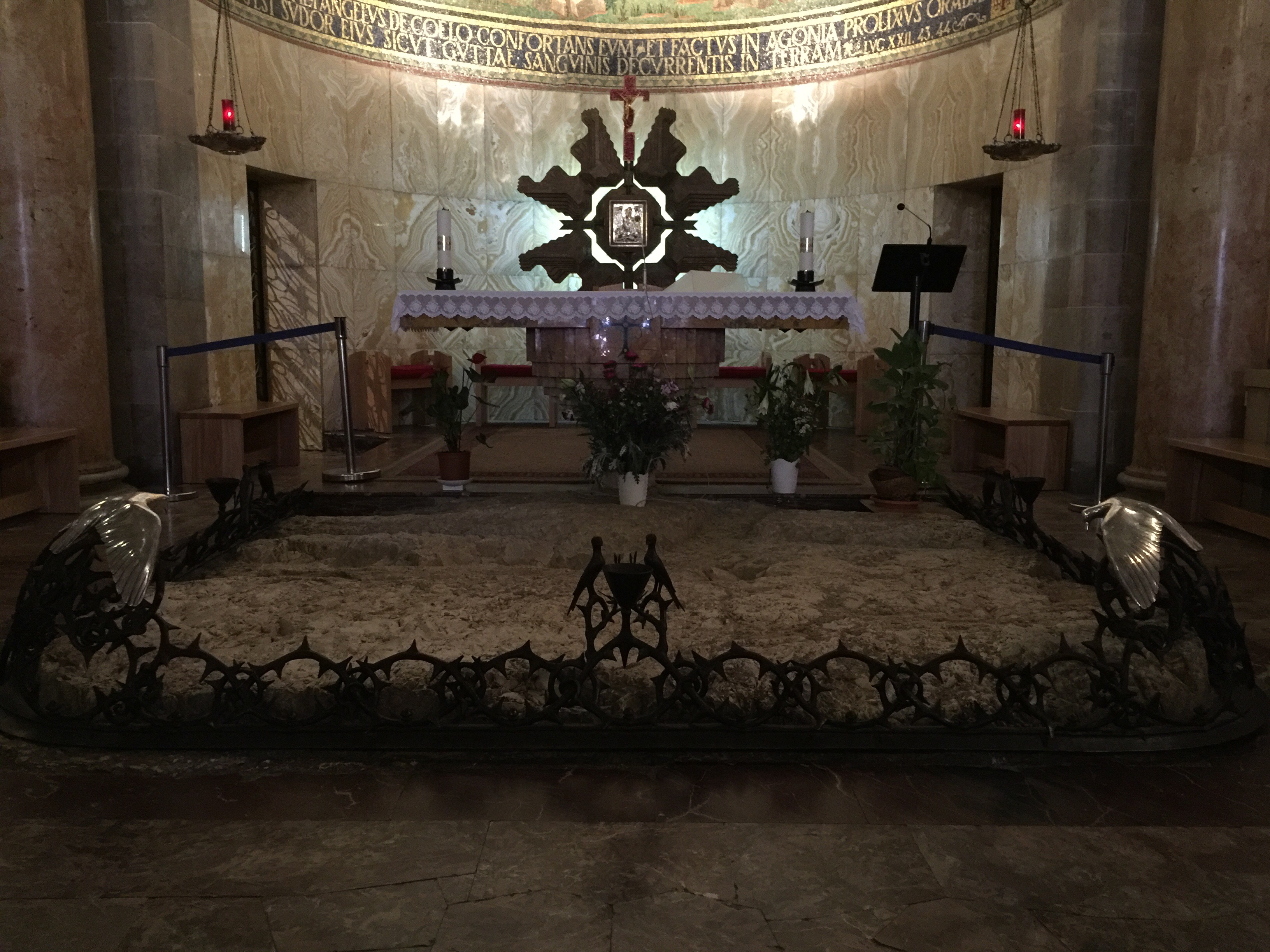
Next we visited the Garden of Gethsemane and the Church of All Nations, also known as the Church of the Agony. The garden contains some very old olive trees. Unfortunately their trunks do not have rings so we can’t date them with precision, but they are unlikely to be old enough to have been here at the same time as Jesus (although George, our guide, claims that they are off-shoots of trees cut down by the Romans and have been carbon 14 dated to be two and a half thousand years old). Gethsemane comes from the Hebrew “Gat Shemen” which means “olive press”.  Inside the church, the Rock of Agony is surrounded by a wrought iron crown of thorns.


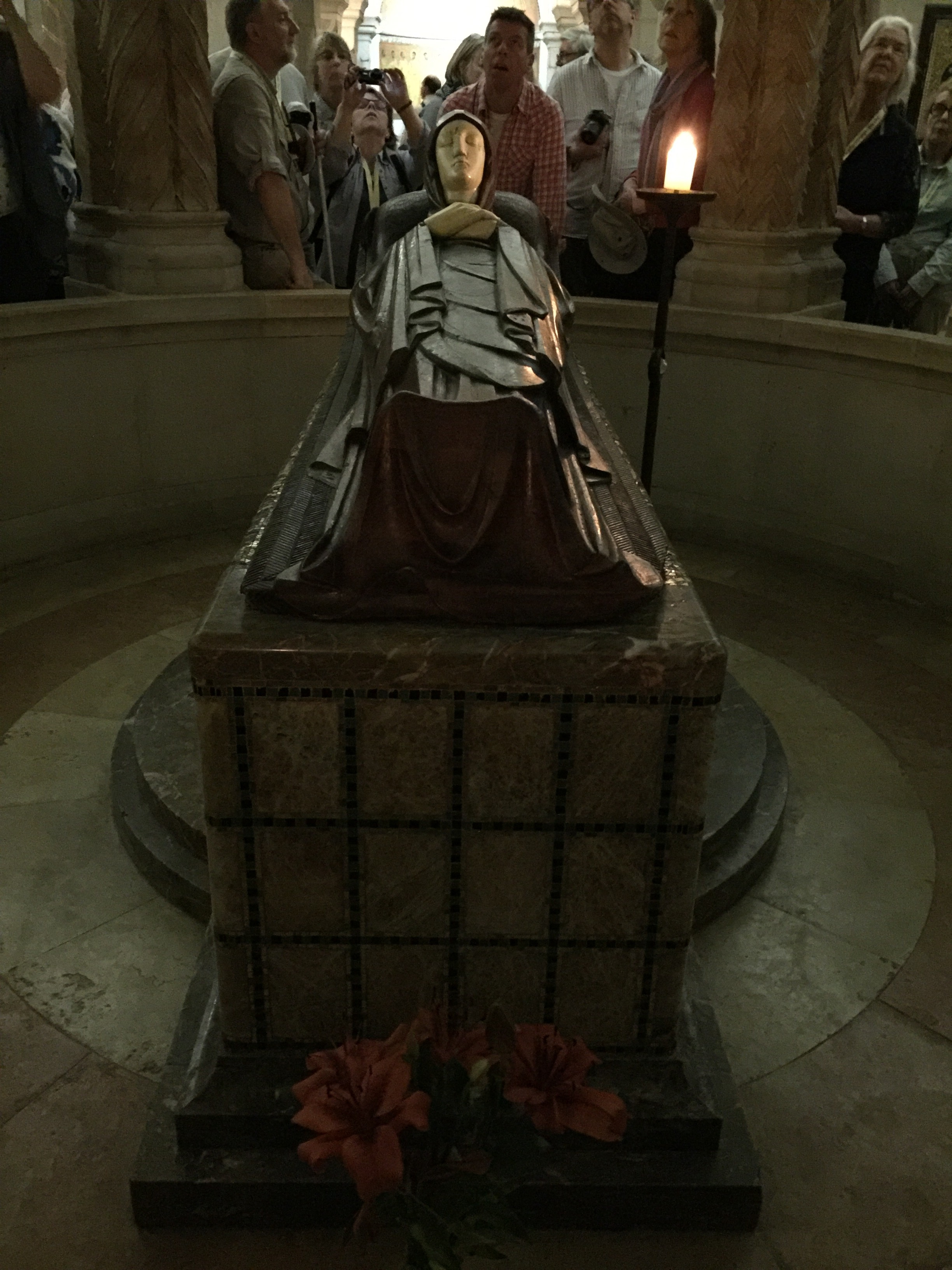
Then to Mount Zion, where we saw the reputed tomb of King David and the site of the Dormition of Our Lady, the Benedictine Dormition Abbey, the Upper Room, originally part of the Abbey, although this is not the only site that claims to be the original Upper Room; the Syrian Church of St Mark in the Old City also holds this claim.


Finally, the Church of St Peter Gallicantu, built over the site of Caiaphas’ House, also known as the Church of the Cock Crowing. Excavations have uncovered prisons below, possibly where Jesus was held. Being in the same dungeon in which Jesus was held and walking on the very stones on which he walked on what we now call Good Friday is indeed a humbling preparation for Lent.

Holy Land Day 5 – Friday

We started today visiting the Dheisheh Camp to see their work. Canon John Aves lived, worked and died here when he was on sabbatical, 13 years ago. The John Aves Educational Project set up in his memory, of which Bishop Graham is Patron, continues to have a strong association with the camp, funding students to attend university.


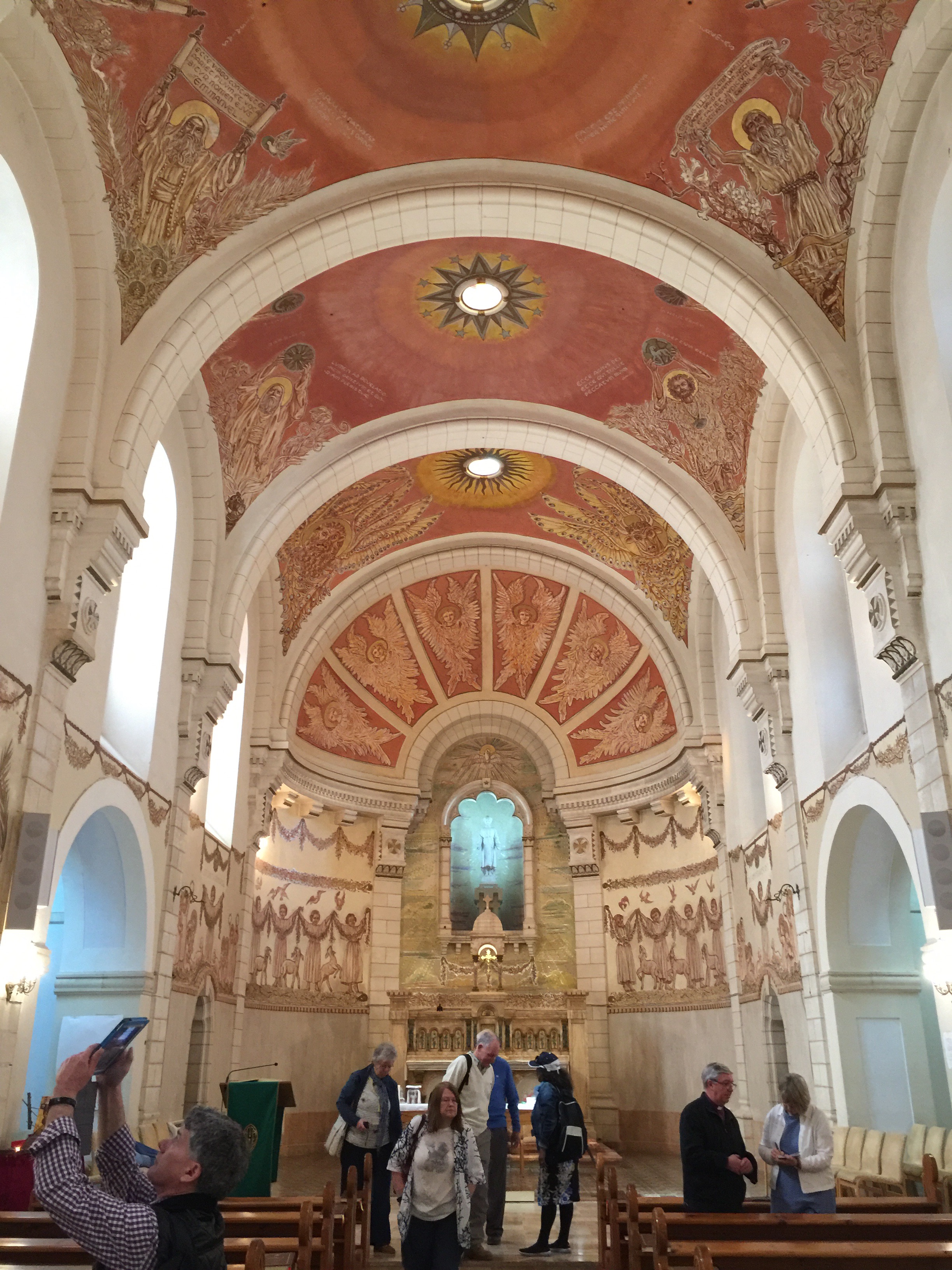
Next to Bethlehem University, visiting the campus and talking to the students. The Chapel of the Divine Child was impressive, as was the enthusiasm, dedication and intelligence of the students, talking openly about the issues of life in Palestine.


Next we went to the Shepherds’ Fields where we said mass. A lovely and peaceful spot with remains of shepherds’ caves and buildings, overlooking an Israeli settlement in Palestine.


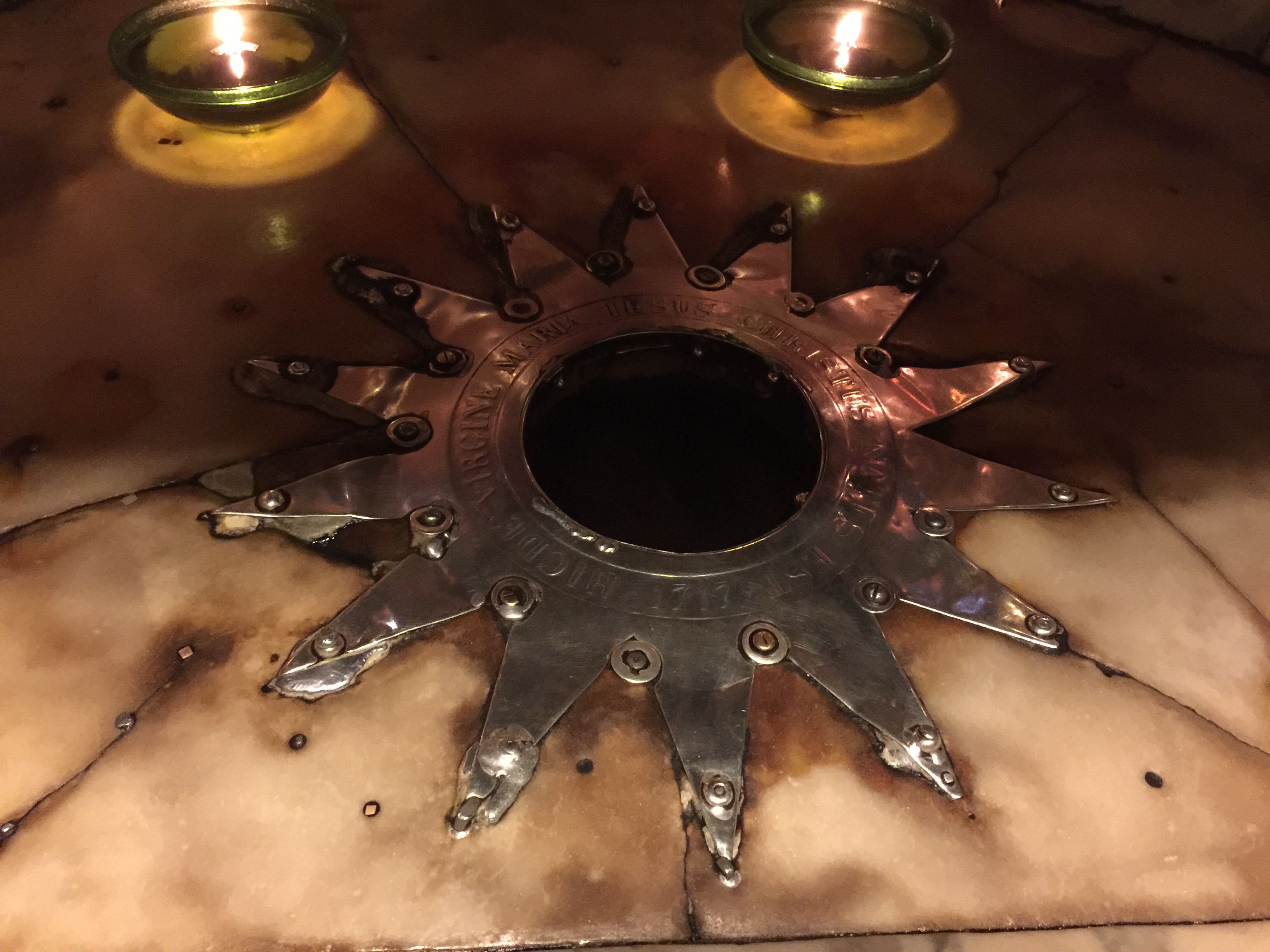
Finally had a guided tour round the Church of the Nativity, including the expanded part given to the Roman Catholics dedicated to Catherine of Alexandria. Five denominations maintain the church, which is cruciform both horizontally and vertically: Greek, Syrian, Armenian, Coptic Orthodox Churches and the Roman Catholics. Under the church of St Catharine is the place where St Jerome (Hieronymous), translator of the vulgate bible, lived, worked and was buried, although his remains are now in St Mary Major, Rome.  We went down to the exact place where Jesus was born as well saw the manger into which Mary placed him.

Holy Land Day 4 – Thursday

Leaving our hotel in Tiberias, we travelled along the Jordan valley, experiencing a different, less fertile and more rugged landscape the further south we travelled.

We stopped at the site that tradition has it that John baptised Jesus, where we were able to renew our own baptismal vows by the River Jordan and with water from the river.


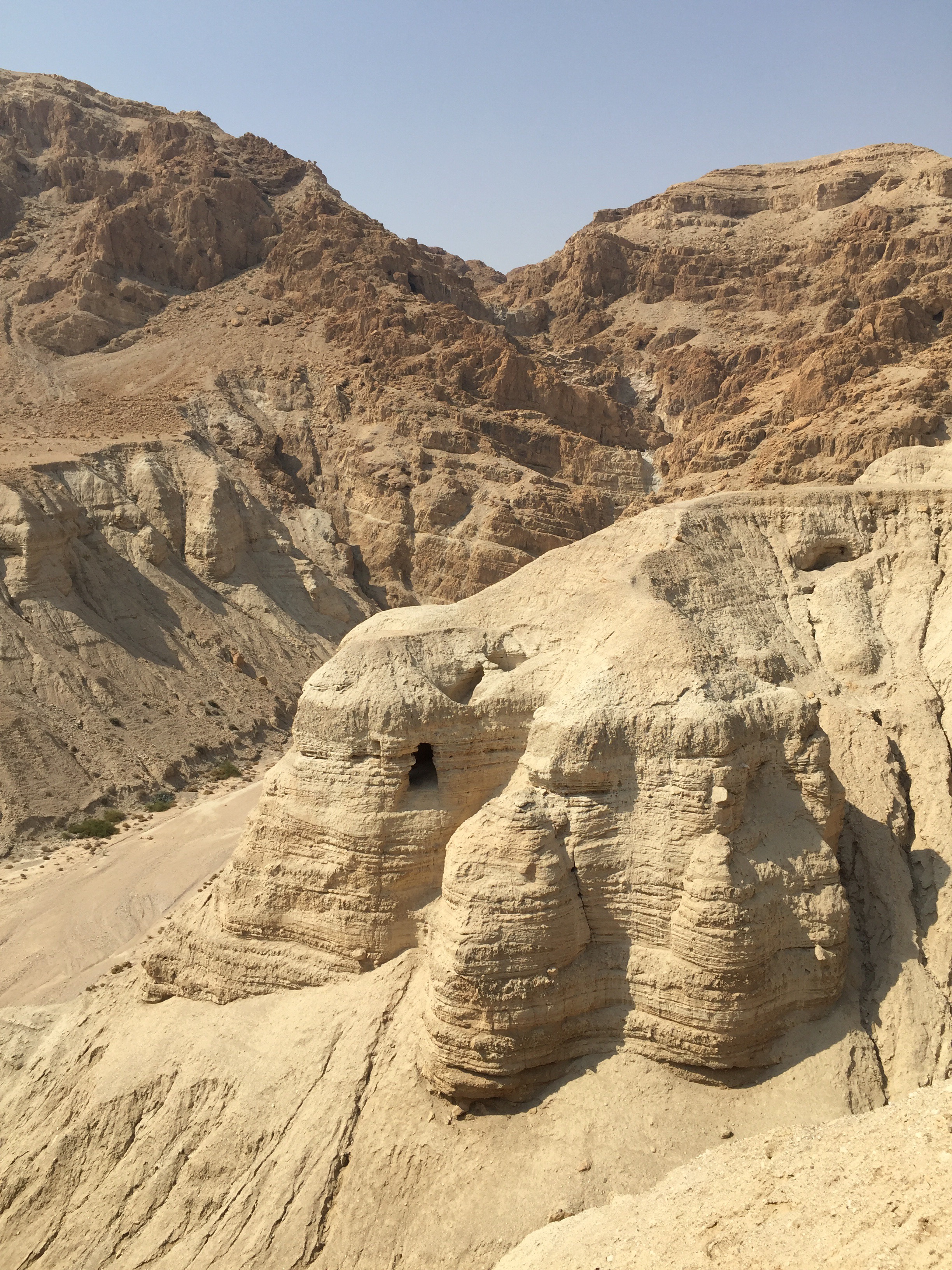
Qumran was a late addition to our programme. Here in 1947 a shepherd boy looking for a stray sheep accidentally found a cave containing jars full of what we now know to be precious parchments, probably hidden by a community of Essenes. They contain biblical scripts both known and unknown to us. They date from between about the 3rd century BC and 68 AD. The scenery is stunning; the remains of the village that was originally inhabited fascinating. Being so far below sea level it is very dry, but when it rains in Jerusalem, the water flows down here taking sixty minutes; channels have built to funnel the water into giant cisterns.


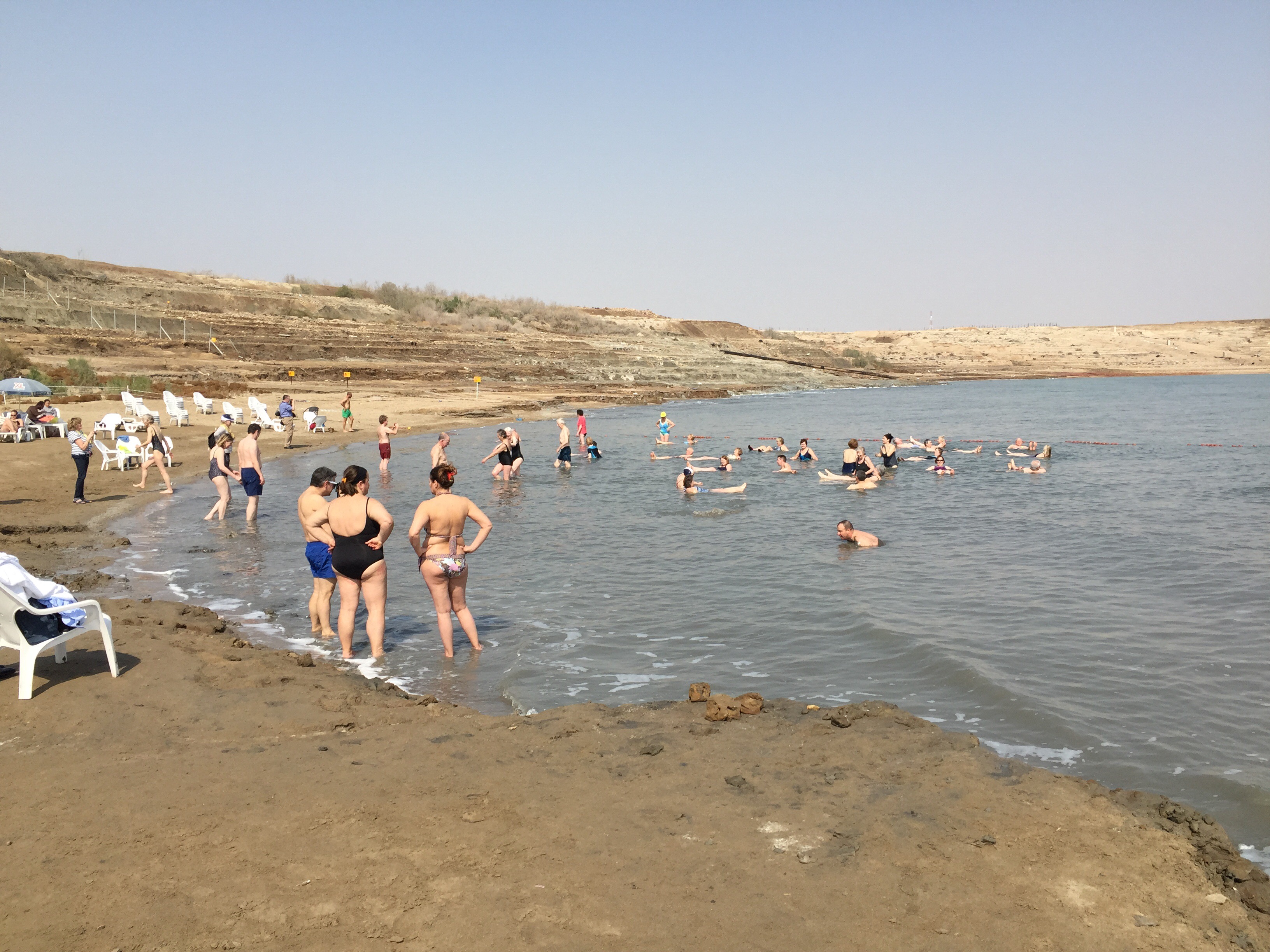
Onwards to the Dead Sea, the lowest point on earth, where some of our group had a “float” on the sea.


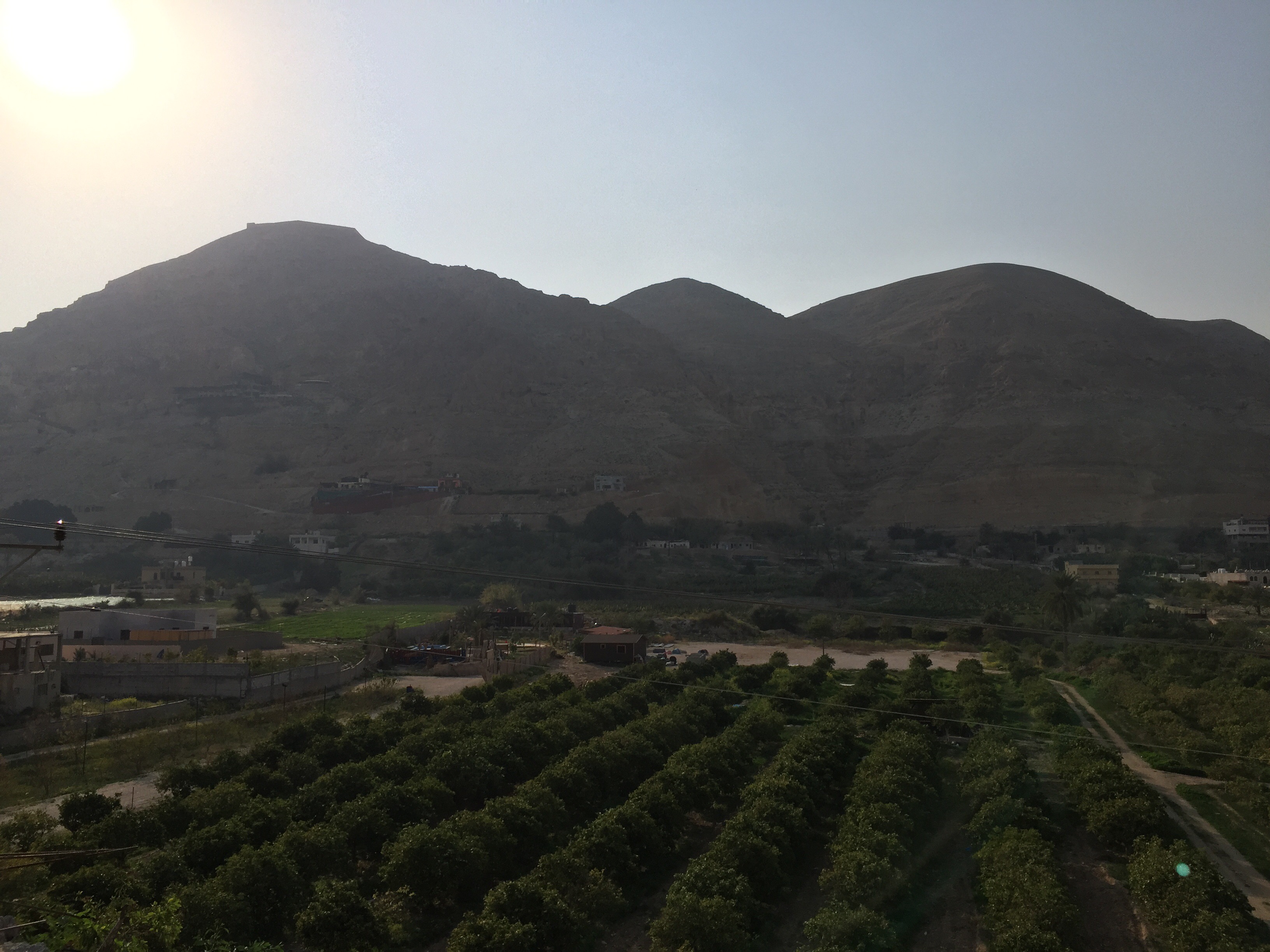
Next a tour of Jericho from which we could see the mountain on which Jesus fasted for forty days and forty nights; very poignant in the week before Lent begins.


Finally we arrived in Bethlehem, where we will stay until we return to England.

Holy Land Day 3 – Wednesday

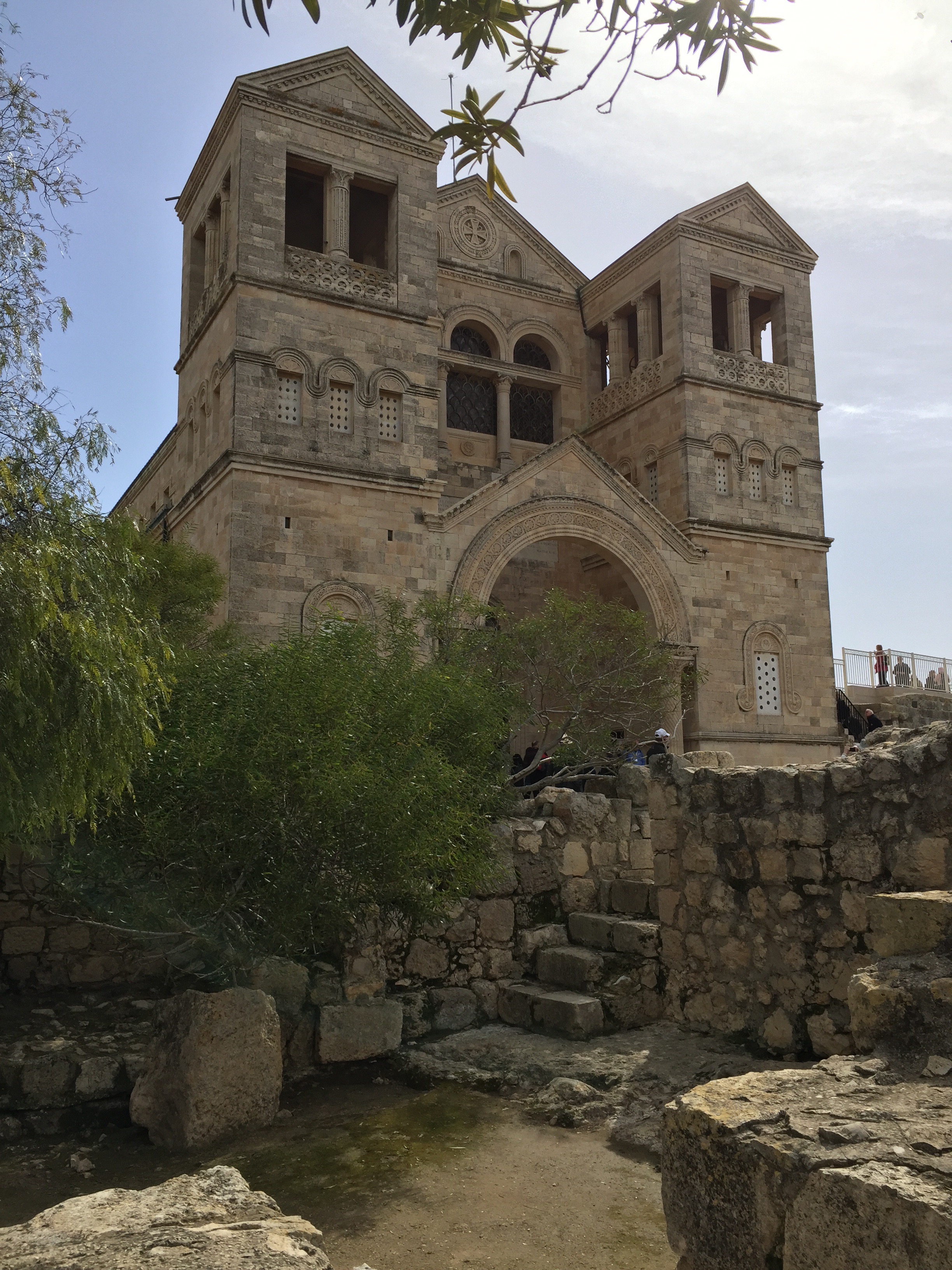
Mount Tabor is the most likely location of the Trsnsfiguration, being the right distance from Capernaum. That is, at least, so long as one measures the time it took to travel between the two using the 22km a day that a donkey can manage. At the top (too tricky for our coach to reach, so we were transferred to minibuses) is a wonderful basilica. Light shines through the west end windows onto the altar on, and only on 6th August. As well as the magnificent church, the views are breathtaking.


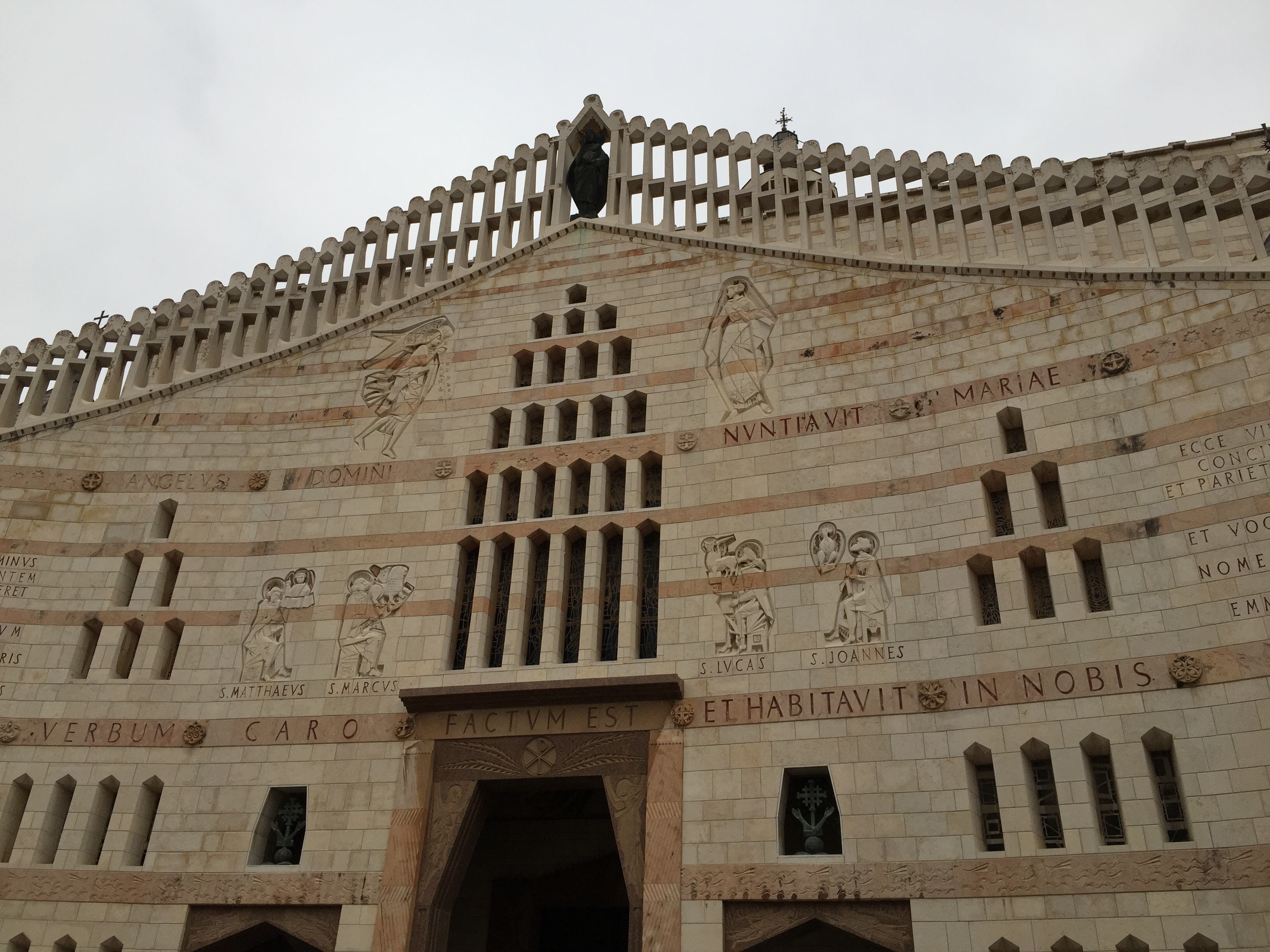
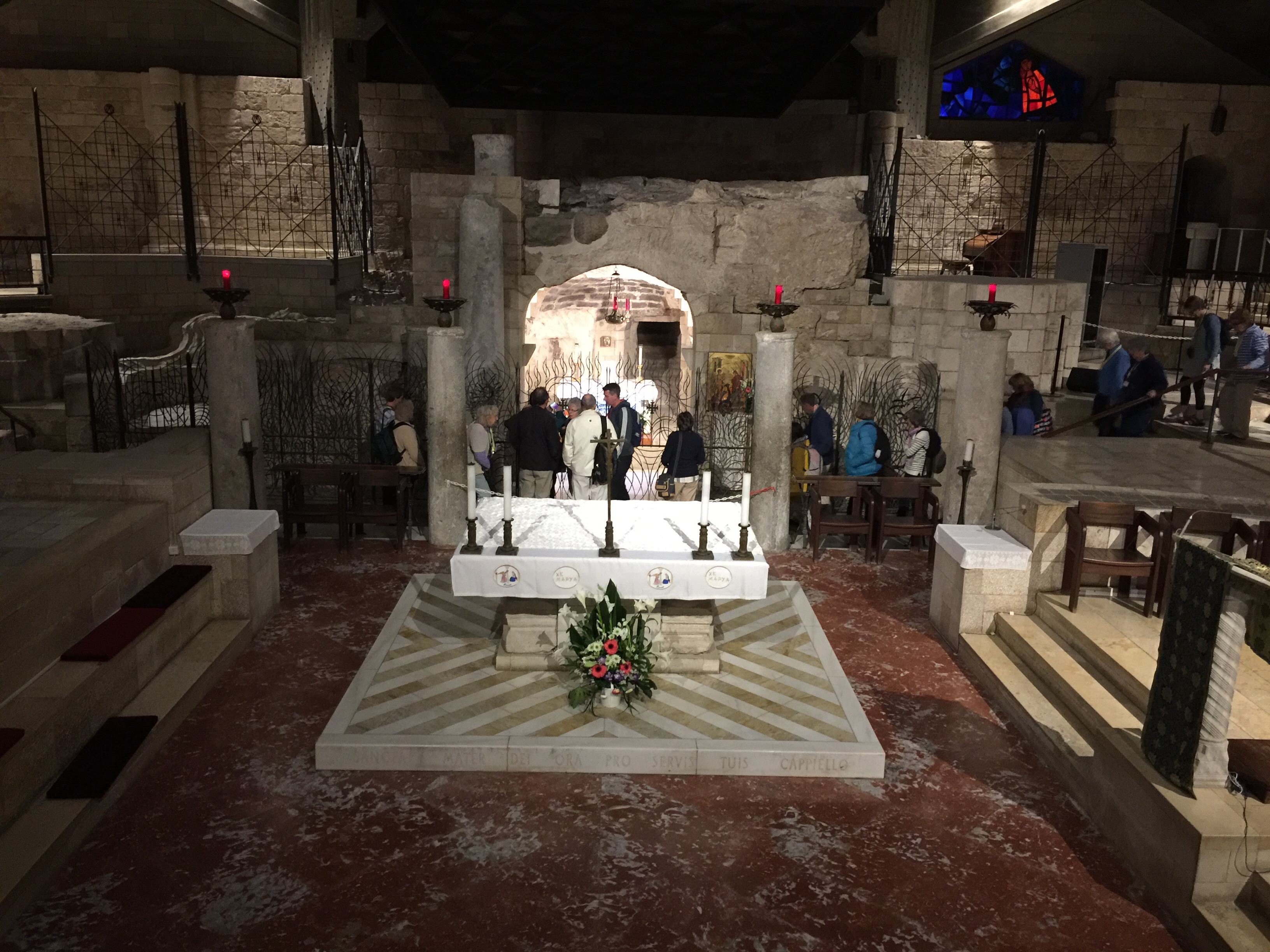
Nazareth, the home of Mary, the site of the annunciation. The basilica was built in 1960 over what was believed to be the site of Mary’s house; some ruins of ancient Nazareth are still visible underneath it.


Joseph “the worker” who could have been a stonemason as well as a carpenter had a workshop here, now a church dedicated to his name, with the ruins of his house and workshop in the crypt.

We also visited the well of Mary in the Orthodox Church of St Gabriel. Orthodox Christians believe that Mary had two annunciations, one at her home and one at the only town well, where women met, chatted and drew water.


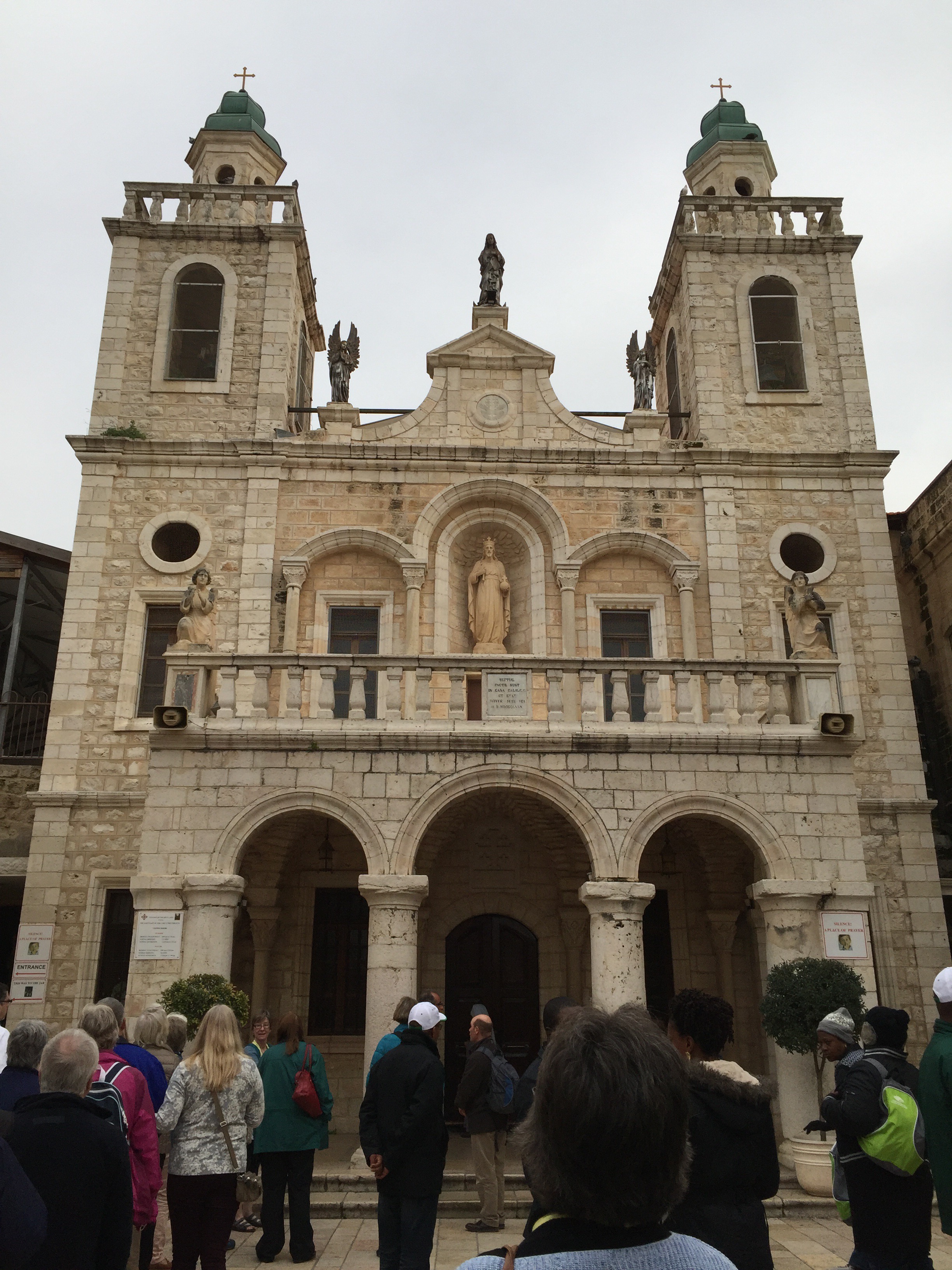
Finally for today we visited Cana of Galilee – Kafr Kanna is the most likely of many possible sites, as there is no definitive location. It would have been close to Nazareth and the wedding attended by Jesus and his disciples at it seemed that Mary, his mother, could have been related to the wedding couple as she seemed involved in the wedding feast arrangements. Our guide, George says that Jesus turned water into red wine, because Jews drink only red wine at weddings; Bishop Graham is not as convinced as he believes this to be a later tradition. In the church at Cana today, wedding vows were being renewed. We went down to see the Byzantine ruins and even further down to see the Crusader church foundations.

Holy Land Day 2 – Tuesday

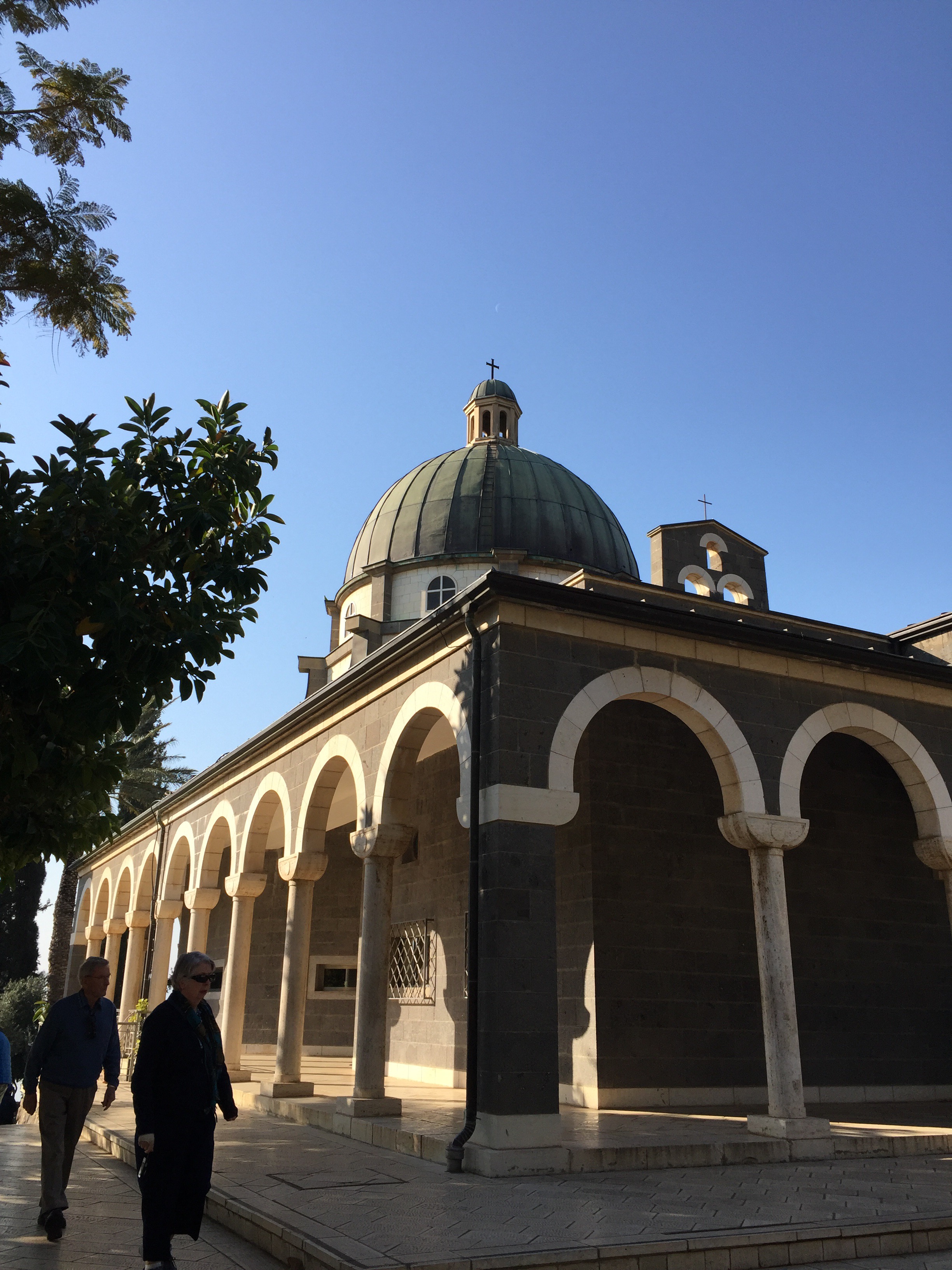
After an early breakfast, we left the hotel at 08:00, travelling first to the Mount of Beatitudes. Very peaceful, with lovely gardens for meditating in. A domed church sits at the top of the mountain, looking out over a gloriously sunny Sea of Galilee.


Next to Peter’s Primacy, where we said mass before going down to the shore where Jesus cooked fish for his disciples.


After that, we enjoyed boat ride on the sea, with a Union Jack raised as we sang the National Anthem. We were also taught Israeli dancing on board. We could look back and see the Mount of Beatitudes properly, its shape making sense of it being chosen as the location for the sermon Jesus gave there.

Our next stop was Heptapegon, the Church of the Multiplication, which was the site of the feeding of the 5,000, also known as the miracle of the loaves and fishes. This is in an area called Tabgha, the area in which Jesus performed many miracles.


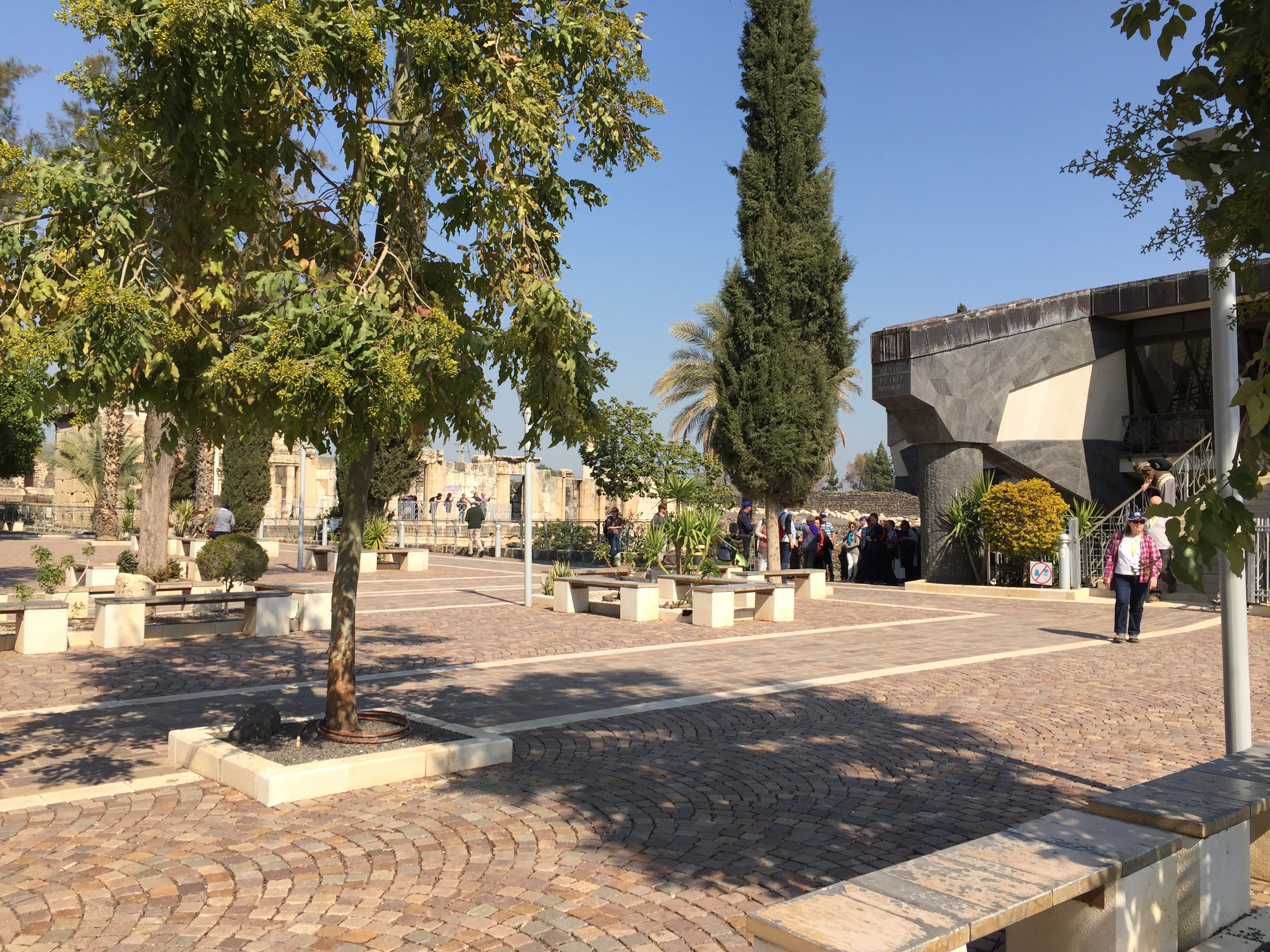
We visited Capernaum next, where Jesus stayed with Peter, James and John, preaching in the synagogue and healing Peter’s Mother in Law. The size of Peter’s house makes it clear that although he was a fisherman, he had been quite wealthy.


Lunch was fish and chips, Israeli style!

After lunch we travelled to Caesarea Phillipi to the spot where Simon acknowledged Jesus as “my Lord and my God” in return to which Jesus declared Simon to be Peter, the rock on which he would build his church. The setting of this was in what is now Banias Nature Reserve at a temple to Pan; unfortunately it was closed so instead of walking to the waterfall where three rivers converge to become the River Jordan, we got an alternative – a panoramic view over into Lebanon and Mount Hermon.

Holy Land Day 1 – Monday

After an early start, leaving the Rectory at 05:30 we were amazed to arrive at Luton by 07:35, easily in time to meet up with the rest of the pilgrimage party for our 11:40 flight. 

The flight, full of Orthodox Jews with their children, was delayed due to some passengers who had not booked seats near each other insisting that they were seated together. Easy Jet staff managed to deal with them; even the pilot got involved at one stage! Eventually we set off at 12:15.

Arriving in Tel Aviv we were taken to our hotel in Tiberias, the Restal Hotel, arriving at 22:00 local time where we had a well deserved meal together.